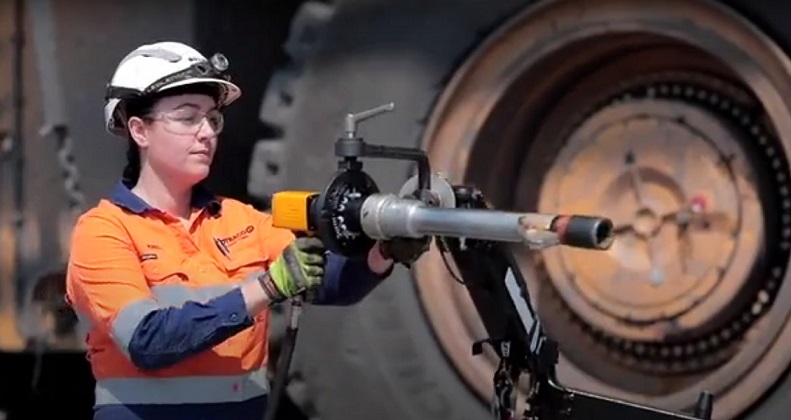
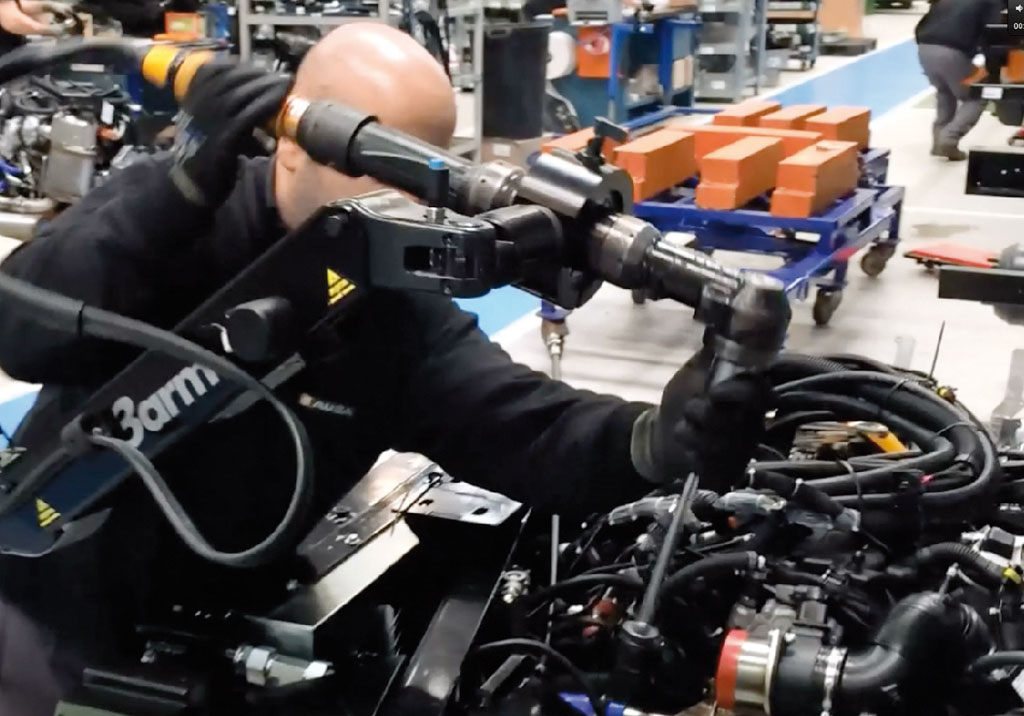
Ergonomic Lift Assistance Devices

Matt Seibert

Assembly-Line-Ergonomics---The-benefits-of-3arm-ergonomic-lift-assist-devices

How to Select the Right Tool Balancer Arm

A Step-by-Step Engineering Guide Selecting the right arm isn’t about lifting weight—it’s about controlling it. What a Tool Balancer Arm Actually Does (And What It Doesn’t) A tool balancer arm is often misunderstood—especially when compared to lifting equipment. A tool balancer arm is not designed to lift loads. It’s designed to neutralize the weight of […]

How to Select the Right Tool Balancer Arm Read More »
How Do You Support Heavy Power Tools for Long Shifts?

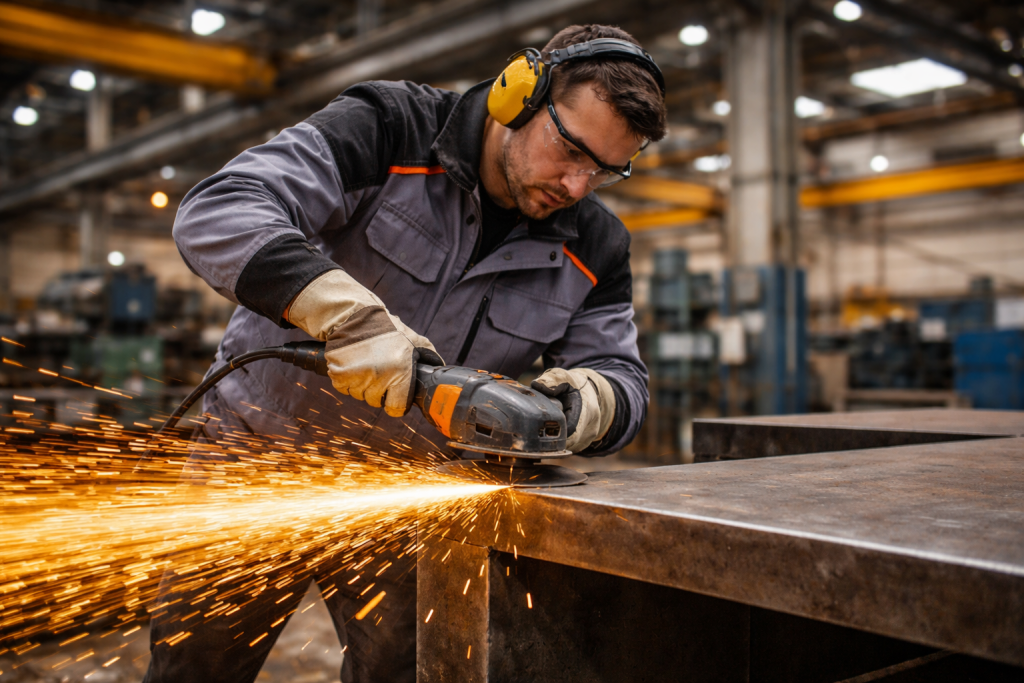
In many manufacturing environments, operators use heavy handheld tools—angle grinders, sanders, polishers, drills, and nutrunners—for hours at a time. Even when a tool only weighs 10–20 lb (4.5–9 kg), holding it continuously leads to fatigue, reduced control, and increased risk of injury. The challenge isn’t just the weight—it’s the combination of: static load (holding the

How Do You Support Heavy Power Tools for Long Shifts? Read More »

What Is a Tool Balancer Arm and How Does It Work?

(Zero-Gravity Arms, Torque Reaction Arms, Ergonomic Lift Assist Systems & Industrial Manipulators Explained) In many manufacturing environments, operators rely on handheld tools such as grinders, sanders, drills, and nutrunners. These tools often weigh 10–25 lb (4.5–11 kg) and may generate significant torque reaction during operation. Over a full shift, the physical strain of holding and

What Is a Tool Balancer Arm and How Does It Work? Read More »